
The End of the Keyboard and Mouse: How to Support the Shift to Voice Commands
For several decades, employees were used to working with the keyboard-and-mouse pairing to interact with their work tools. A habit that's meant to change today.

For several decades, employees were used to working with the keyboard-and-mouse pairing to interact with their work tools. A habit that's meant to change today.

AI adoption among HR functions is following a similar trajectory across markets. In France, 28% of HR directors already use AI daily in 2025, up from just 9% a year earlier — adoption has tripled in a single year. Yet in most organizations, AI is still bolted on reactively: a tool gets deployed, processes get adjusted around it, and training comes later.

What is vibe coding and why should HR care about it? Discover how vibe coding is impacting tech recruitment, skills, productivity and HR/IT governance in 2026.

Based on the data collected through the Barometer of AI in HR in Canada, organizational psychologist Jean-Baptiste Audrerie shares key insights on how organizations can better frame and manage AI usage in the workplace.
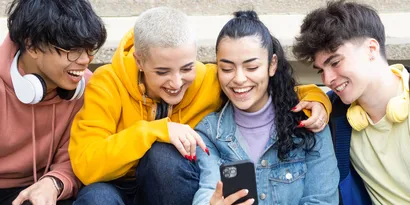
The arrival of Gen Z in the workforce — a generation that has already been used to AI — is pushing organizations to evolve their HR practices toward greater autonomy and trust.

Is the classic resume - a tidy list of degrees and past job titles - becoming a thing of the past? Judging by the rapid rise of Skills-Based Hiring (SBH), the answer may well be yes. Here's what HR professionals need to know.
We noticed that you're browsing from United States. Would you like to switch to Canada - EN?